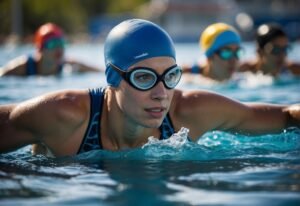


Ice swimming is a short dip in very cold water, with an exit you have already planned. If you clicked this for the beginner version, the box and the steps below are the part that matters.
Quick answer
- Start in late summer or autumn and acclimatize gradually.
- Think in minutes, not distance.
- Never swim alone, and always plan your exit.
- Have warm layers and a hot drink ready before you get in.
- Check with a doctor if you have heart or blood-pressure issues.
Your First Ice Swim, Step by Step
I treat a first ice swim as a dip with a plan. Not a workout, and not a dare.
Before you get in
- Start in late summer or autumn so the cold arrives a little at a time. Do not book your first dip for the coldest week you can find.
- Move a bit on land first. I keep a separate note on a swimming warm-up, and I still do an easy version before cold water.
- Lay the warm clothes out, hat on top, and pour the hot drink before you undress. You will not want to search for a sleeve afterward.
- Walk the exit. Know which ladder, steps, or bank you are using, and put your buddy on that spot.
- If you have a heart or blood-pressure problem, talk to a doctor first. The RNLI cold-water shock page explains that entering water at 15°C or below drives heart rate and blood pressure up, and that this can trigger a heart attack.
As an Amazon Associate I earn from qualifying purchases.
Beginner kit, by type rather than by a specific model: neoprene gloves, neoprene socks, a bright tow float, and a bright silicone cap. Prices and fit vary, so check the listing yourself.
In the water
- Enter on your own terms. Splash your face, neck, and arms, and do not jump. Cold-water shock includes an involuntary gasp, and the RNLI says those first effects pass in less than a minute, so breathe through the gasp before you try to swim.
- Keep the first dip short, and stay close enough to the exit that a few strokes would get you there. Your buddy stays on shore.
- I do not give beginners a minute chart. The Outdoor Swimming Society says the body is not a machine, so do not turn degrees into minutes. Get out while you can still swim and talk. Everyone reacts differently. Wind, fatigue, and how cold you were on the bank all change the day.
- Once the gasp settles, breathe out steadily. If breathing is the skill that fails first, practice how to breathe while swimming in a warm pool before you add ice.
Getting out and warming up
- Get out, get dry, and get layers on fast. Start with the head and the core, then hands and feet. Do not stand around wet and talk.
- Drink something warm. It will not rewrite your core temperature, but it keeps you in one place long enough to finish dressing.
- No hot shower straight away. Cold skin is bad at judging heat. If someone is actually hypothermic, skip the warm shower or bath and get them dry and dressed instead. The details are in the next section.
Afterdrop: Why You Can Feel Colder After You Get Out
Afterdrop is the reason you can feel worse on the bank than you did in the water. While you swim, your body keeps warm blood in the core and lets the cold skin work like insulation. When you get out, that cold layer keeps pulling heat from the core. The Outdoor Swimming Society’s afterdrop guide describes this continued cooling, and their hypothermia notes say you can keep cooling for up to 30 minutes after you exit. Shivering, faintness, and nausea all show up here.
Rewarm in this order. Strip the wet clothes, pat dry, and dress, including a hat. Have the clothes laid out before the swim so this is fast. Sip a warm drink, move a little once you are dressed, and get into a warm place. The Society notes that a small hot drink does not really change core temperature, and that you should not drive while you are still shivering hard. Save any shower for later, and keep it warm rather than hot.
Definition of Ice Swimming

The International Ice Swimming Association defines ice swimming as unassisted swimming in water of 5.0°C (41°F) or below, in a standard suit, one silicone cap, and goggles. Colder than a normal pool is not automatically ice swimming. The RNLI treats anything at or below 15°C as cold water, which is already enough for cold-water shock. Hypothermia is the risk if you stay in too long.
Fascination of Ice Swimming
Ice swimming is a fascinating sport that has attracted many athletes around the world. The sport challenges swimmers to push their limits and overcome their fears. The thrill of swimming in freezing water is something that cannot be described in words. Ice swimming is not only a physical challenge but also a mental one. It requires swimmers to stay focused, calm, and determined in the face of extreme conditions.
Target Audience for This Guide
If you are still learning to swim as an adult, get comfortable in a pool before you chase ice. If you already swim, the new skill is the cold, not the stroke.
Basics of Ice Swimming
Use that video for the entry and the gasp. Ignore the five-minute mark in the title. I do not use a timer with beginners, and the Outdoor Swimming Society warns against turning degrees into minutes. Everyone reacts differently.
Before taking the plunge into the world of ice swimming, it’s essential to understand the science behind it. Cold exposure is not just about enduring discomfort; it’s a practice that can have profound effects on your body and mind. Here are some basics of ice swimming that every beginner should know.
The Body’s Response to Cold
When you expose your body to cold temperatures, it triggers a series of physiological responses. The blood vessels in your skin constrict to conserve heat, while deeper blood vessels dilate to maintain core body temperature. This process, known as vasoconstriction and vasodilation, improves circulation, which can have a positive impact on various aspects of your health.
Health Benefits
Some swimmers report feeling warmer in the hands afterward, a little less sore, or more awake. Research on those effects is limited, and a dip is not a treatment. Talk with a doctor before you start, especially if you have a heart condition, blood pressure issues, or you are pregnant.
What some swimmers report
Here is what some swimmers report. I would not treat any of it as a promise.
- Circulation: Some swimmers report warmer hands after they get out. Cold water does tighten the vessels in the skin. I would not call that a heart-health plan. Research on this is limited.
- Soreness: Some athletes sit in cold water after hard training and say the ache eases. That is a report, not a promise. Research is limited, so I do not plan a workout around it.
- Mood: Some swimmers report feeling brighter once they are dressed and holding a hot drink. Research on mood effects is limited, and I would not plan a dip around that feeling.
- Skin: Some swimmers report that their skin feels better after cold dips. I would not treat that as help for eczema or psoriasis. Research on this is still limited.
- Alertness: Some swimmers report feeling more awake after a short dip. I notice that on the walk home, and I still would not call it a focus method. Research is limited.
- Sleep: Some people say a dip leaves them relaxed enough to sleep. Others say they are wired. I would not promise either one. Research on sleep is limited.
- Hormones: Some swimmers report feeling steadier afterward. Research on hormone effects is still limited, so I do not treat a dip as hormone regulation.
The steps further down are about getting in and getting out. The notes above are what some people notice. They are not a reason to skip a doctor.
Equipment and Clothing
When it comes to ice swimming, safety should be your top priority. You will need to invest in proper equipment and clothing to protect yourself from the cold water. Here are some essential items you should consider:
- Winter hat (recommended): A thick hat will keep your head warm and reduce heat loss. I break down swimming hats separately, including what I want on my head in cold water.
- Neoprene gloves and shoes or socks (recommended): Neoprene gloves and socks or shoes will keep your hands and feet warm and protect them from the cold water.
- Thermometer (optional): Just to double-check and feel the icy chill of the water for ourselves!
If you want to go the way of sport ice swimming you will better consider this items
- Swim cap and goggles (recommended): A swim cap will keep your head warm and reduce heat loss. Goggles will protect your eyes from the cold water.
- Neoprene gloves and socks (optional): While neoprene gloves and socks are great for keeping your hands and feet warm, they might not be the most comfortable for swimming.
- Wetsuit (optional): A wetsuit offers insulation, ensuring you stay warm in chilly waters and allowing for extended swimming sessions. Make sure to choose a suit that fits well and is designed for cold water swimming.
- Tow float (optional): A tow float is a safety device that will help you stay visible and afloat in the water. It will also provide a place to store your belongings.
In addition to these items, it is important to have a safety plan in place before you start ice swimming. Make sure to swim with a buddy, stay close to the shore, and never swim alone.
Ice swimming can be a challenging and rewarding experience. By following these basics of ice swimming, you can stay safe and enjoy the health benefits of this extreme sport.
Preparation for Ice Swimming
That film is from the RNLI water-safety team. It is the beginner version: enter slowly, never go alone, stay near the exit, and get a hat on as soon as you are out.
Before diving into the icy waters, it is crucial to prepare yourself both physically and mentally. Here are some of the things you should consider before taking the plunge.
Medical Examination and Consultation with a Doctor
Before attempting ice swimming, it is essential to get a medical check-up and consult with a doctor. Ice swimming can put a lot of stress on your body, and it is important to ensure that you are physically fit to handle the challenge. Your doctor can advise you on any precautions you need to take and recommend exercises to improve your cardiovascular fitness.
Acclimatization to Cold Water
Acclimatization to cold water is crucial before attempting ice swimming. Start by gradually exposing yourself to colder water temperatures, and slowly increase the duration of your cold water exposure. This will help your body adapt to the cold and reduce the risk of hypothermia.
Pro Tip: Get Warm With Cold Showers
Ever since I started swimming in my childhood, cold showers have been a steadfast part of my routine. It wasn’t just my mother’s gentle reminder to rinse with cold water after every bath or shower; it was also the unwavering pre-training ritual of a brisk cold shower. These practices, ingrained in me from a young age, have laid the foundation for what was to come – my foray into the exhilarating world of ice swimming.
Start to shower cold after each warm bath or shower. Begin with a temperature which is a little bit cold to your opinion and then decrease the cold shower temperature day by day. Watch your breathing while the cold showers and breath calm and steady.
Body Techniques and Exercises
Proper body techniques and exercises can help you become a better ice swimmer. Focus on improving your breathing technique, as this will help you stay calm and relaxed in the cold water. You should also work on your endurance and strength, as ice swimming can be physically demanding.
Here are some exercises that can help you prepare for ice swimming:
- Cold water showers or baths to acclimatize your body to the cold
- Breath-holding exercises to improve your lung capacity and control
- Cardiovascular exercises such as running, cycling, and swimming to improve your endurance
- Strength training exercises such as squats and lunges to build up your leg muscles
Remember to always listen to your body and take things slowly. With the right preparation and training, you can enjoy the thrill of ice swimming safely and confidently.
Safety in Ice Swimming

Ice swimming can be a thrilling and rewarding experience, but it can also be dangerous if proper safety measures are not taken. As a beginner, it is important to be aware of the risks and how to address them to ensure a safe and enjoyable ice swimming experience.
First Aid Measures
In the event of an emergency, it is important to have basic first aid knowledge and supplies on hand. Some recommended first aid measures to have in your ice swimming kit include:
- A first aid kit with essentials such as bandages, antiseptic, and pain relievers
- A warm blanket or towel to wrap yourself in after swimming
- A thermos of warm liquid to help raise your body temperature
- A cell phone to call for help if needed
Risks and How to Address Them
Ice swimming presents several risks that should be taken seriously. Some of the most common risks and how to address them include:
- Hypothermia: The most significant risk of ice swimming is hypothermia, which occurs when your body temperature drops too low. To prevent hypothermia, it is important to limit your time in the water, wear appropriate gear, and warm up immediately after swimming.
- Cold shock response: When you first enter cold water, your body may experience a cold shock response, which can cause you to gasp for air and increase your heart rate. To prevent this response, it is important to gradually acclimate your body to the cold water by entering slowly and focusing on your breathing.
- Drowning: Ice swimming in open water can be dangerous due to the risk of drowning. To reduce this risk, always swim with a partner, wear a safety buoy, and follow all safety guidelines.
Important Behavioral Guidelines
In addition to taking physical safety measures, it is important to follow behavioral guidelines to ensure a safe and respectful ice swimming experience. Some important guidelines to follow include:
- Check the weather forecast and avoid swimming in extreme cold or windy conditions.
- Never swim alone, always swim with a partner or in a group.
- Wear appropriate gear, such as a wetsuit, swim cap, and goggles.
- Start with short swims and gradually build up to longer distances.
- Listen to your body and exit the water if you start to feel hypothermic or fatigued.
- Respect the environment and wildlife by not disturbing natural habitats or leaving trash behind
- Follow all local laws and regulations regarding ice swimming
- Listen to your body and stop swimming if you feel uncomfortable or experience any pain or discomfort.
By following these safety measures and guidelines, you can enjoy the thrill of ice swimming while minimizing the risks and ensuring a safe and enjoyable experience.
Best Places for Ice Swimming

If you want to try ice swimming, start where a club or event already runs winter dips. Open coast is a different skill, which is why I split out swimming in the ocean.
Lakes and Rivers
Many lakes and rivers freeze in winter, and a cut hole can look like an invitation. I only get in where organizers have cut the hole and are managing the ice around it. Testing the ice yourself, to see if it will hold your weight, is a different and easy-to-get-wrong job. Swimming in the river adds current, which does not care how calm the hole looks.
- Swim at an organized spot, where the hole is cut and someone is watching the ice around it.
- Stay off unmarked ice. Do not drill a test hole and then decide you are qualified to walk out.
- Avoid current unless you already know the exit. Rivers and streams move you whether you agree or not.
- Prefer a place with a history of organized winter swimming, not a random frozen corner.
Some popular lakes and rivers for ice swimming include:
- Lake Simcoe, Ontario, Canada
- Lake Superior, Michigan, USA
- River Thames, London, UK
- Lake Bled, Slovenia
Organized Ice Swimming Events
If you’re looking for a more structured experience, consider participating in an organized ice swimming event. These events often have safety measures in place and can provide a supportive environment for beginners. Some options include:
- International Ice Swimming Association (IISA) events, held around the world
- Winter Swimming Championships. The host changes from edition to edition, so check the current event instead of assuming a country.
- The first Ice Swimming Arctic Cup was held in March 2019 at Lake Semyonovskoye in Murmansk, Russia, with the IISA World Championship.
- Donauschwimmen in Neuburg an der Donau, a January winter swim on the Danube. The city tourism page calls it Europe’s largest winter swim.
Mental Preparation and Challenges
Preparing for ice swimming is not just about physical training. Mental preparation is equally important. Ice swimming can be a challenging and intimidating experience, but with the right mindset and techniques, you can overcome these challenges.
Dealing with Cold Stress
One of the biggest challenges of ice swimming is dealing with the cold stress. Cold stress can cause physical and mental discomfort, and it can be difficult to manage. However, there are several ways to cope with cold stress:
- Breathing techniques: Deep breathing exercises can help you relax and manage stress. Focus on breathing in slowly through your nose and exhaling through your mouth. This can help regulate your heart rate and calm your mind.
- Visualization: Visualize yourself swimming in the cold water and imagine feeling comfortable and relaxed. This can help you feel more confident and prepared for the experience.
- Physical preparation: Prepare your body for the cold by gradually exposing yourself to cooler temperatures. Take cold showers or go for a dip in a cold lake or pool to help your body adapt to the cold.
Meditation and Breathing Techniques
Meditation and breathing techniques can help you stay calm and focused during ice swimming. Here are some techniques to try:
- Meditation: Find a quiet place to sit and focus on your breath. Try to clear your mind and focus on the present moment. This can help you feel more centered and focused.
- Box breathing: Inhale for four seconds, hold for four seconds, exhale for four seconds, and hold for four seconds. Repeat this cycle several times to help regulate your breathing and calm your mind.
- Progressive muscle relaxation: Tense and relax each muscle group in your body, starting from your toes and working your way up to your head. This can help release tension and promote relaxation.
Finding Your Comfort Zone
As you explore the various ice swimming techniques, remember that finding your comfort zone is paramount. Some individuals prefer short, invigorating cold dips, while others may embrace longer, meditative sessions. The key is to discover what works best for you and aligns with your goals and preferences.
Community and Social Support
Joining a community of ice swimmers can provide social support and encouragement. You can share your experiences, learn from others, and build relationships with like-minded individuals. This can help you stay motivated and committed to your ice swimming goals.
In summary, mental preparation is key to succeeding in ice swimming. By using techniques such as breathing exercises, visualization, and meditation, you can manage cold stress and stay focused during the swim. Joining a community of ice swimmers can also provide social support and encouragement.
Advanced Techniques and Challenges
If you are an experienced ice swimmer and want to take your skills to the next level, there are several advanced techniques and challenges that you can try. Here are some of them:
Long-Distance Ice Swimming
If you have already mastered the basics of ice swimming, you can challenge yourself by attempting a long-distance swim in icy waters. A popular long-distance ice swimming challenge is the Ice Mile, which involves swimming one mile (1.6 kilometers) in water of 5°C (41°F) or below. To prepare for this challenge, you should gradually increase your training distance and duration, and practice swimming in colder water temperatures. An Ice Mile is not a first-swim goal.
Ice Baths and Cold Exposure Training
Ice baths and cold exposure training can help you build resilience to cold water and improve your overall health and well-being. The Wim Hof Method is a popular cold exposure training program that involves breathing exercises, cold showers, and ice baths. By exposing your body to cold temperatures, you can stimulate your immune system, reduce inflammation, and increase your energy levels.
The Wim Hof Method
Developed by “The Iceman” Wim Hof, this method combines specific breathing patterns, gradual cold exposure, and meditation. It has gained popularity for its holistic approach to cold exposure and its potential benefits for physical and mental well-being. Many ice bathers find this method to be an effective way to manage the intense cold.
Competitions and Events
If you want to test your ice swimming skills against other swimmers, you can participate in ice swimming competitions and events. The International Ice Swimming Association (IISA) organizes several events around the world, including the Ice Swimming World Championships and the Ice Kilometer. These events attract top ice swimmers from around the world and provide an opportunity to challenge yourself and meet other ice swimming enthusiasts.
Resources and Further Information
If you’re interested in even more ice swimming information, you will find plenty of resources available. Below are some of the most helpful resources for beginners.
Literature and Books
If you want something to read after the safety notes, these are the two I could confirm:
- Swimming to Antarctica by Lynne Cox (Knopf). A memoir of her open-water swims, including a mile in Antarctic water without a wetsuit. It is not a beginner manual.
- The Outdoor Swimmers’ Handbook by Kate Rew (Rider, 2022). The Outdoor Swimming Society names this book on its afterdrop page. This is the one I would hand a new outdoor swimmer.
Online Communities and Forums
Online communities are where I actually ask questions. The International Ice Swimming Association Facebook page is one place to start.
Training and Courses
If you’re interested in getting more serious about ice swimming, there are several training and courses available. The International Ice Swimming Association (IISA) offers a comprehensive set of rules and guidelines for ice swimming, as well as training and certification programs for swimmers and coaches. You could have a look at US Winter Swimming Association as well.
Personal Experiences and Success Stories
The “symptom-free” story in the next video is not a beginner target, and it is not a result I can promise from ice swimming.
Ice swimming can be a challenging and exhilarating experience, but it can also be immensely rewarding. Here are some personal experiences and success stories from ice swimmers around the world.
First-Hand Accounts
The best way to understand the allure of ice swimming is to hear from those who have experienced it firsthand. These personal accounts share the exhilaration and challenges of venturing into icy waters. Each story is unique, offering insights into why individuals choose to immerse themselves in this unique practice.
Interviews with Experienced Ice Swimmers
Talking to experienced ice swimmers is more useful than another gear list. In November 2021, World Open Water Swimming Association reported that Kate Steels was the third person to finish the Ice Sevens, an ice mile on each continent. What I take from that swim is the unglamorous part: prepare, and stay calm in the water.
If you want a results story that is actually about ice swimming, Guinness covered records at a World Ice Swimming Championships.
Reports from Beginners on Their Journey
For those just starting out, hearing from other beginners can be reassuring. One ice swimmer, for example, shared their experience of learning to hold their breath and practicing in a pool before venturing into open water. Another beginner reported feeling a sense of accomplishment after completing their first Ice Mile.
The Chill of Ancient Traditions
The roots of ice swimming stretch far back in time. Stoic philosophers in ancient Greece, renowned for their resilience and self-discipline, were known to embrace the bracing cold. They believed that exposure to the elements was a path to self-mastery, a notion that still holds true in the world of ice swimming today. It’s as much about mind over matter as it is about the physical sensation.
The Modern “Polar Bear Clubs”

A 30-minute ice-bath hold is not a beginner target.
Fast forward to the present day, and you’ll find a dedicated community of individuals who form “Polar Bear Clubs.” These groups have grown worldwide, uniting people in their shared appreciation for the icy plunge. The camaraderie and spirit of these clubs are as heartwarming as the cold waters they embrace. It’s here that you discover the magic behind the art of ice swimming the sense of belonging to a tribe of daring souls.
FAQ
How cold is ice swimming?
The International Ice Swimming Association defines it as swimming in water of 5.0°C (41°F) or below. The RNLI treats anything at or below 15°C as cold water, already cold enough for cold-water shock. A first dip does not have to be an official ice swim.
How long should a beginner stay in?
I do not use a minute chart. The Outdoor Swimming Society says timings are so individual that a formula is unhelpful, and that you should not turn degrees into minutes. Stay in for a short dip, get out while you can still swim and talk, and remember that everyone reacts differently.
What should I wear?
For a first dip I want a bright silicone cap, neoprene gloves, neoprene socks, and a bright tow float, with warm layers already laid out on shore. The Outdoor Swimming Society notes that neoprene gloves and socks can cut the pain in your hands and feet, but they do not stop hypothermia. An official IISA swim is unassisted: standard suit, one silicone cap, goggles, no neoprene help.
Can I go ice swimming with a cold?
I skip it. Cold water already forces a gasp, and a cold makes breathing harder. I wrote a separate piece on swimming with a cold, and ice water is the stricter version of that decision.
What is ice swimming, and how is an ice bath different?
Ice swimming means you are swimming in water at or below 5°C (41°F). An ice bath is usually a tub you sit in. The cold-shock gasp is the same family of problem, which is why I use the same slow entry for both.
Is ice swimming safe?
It can be, if you enter slowly, stay near the exit, and keep someone on shore. It is a bad idea if you have a heart or blood-pressure problem and have not asked a doctor. Cold-water shock can spike heart rate and blood pressure.
Do swimmers report health benefits?
Some swimmers report a calmer mood, or skin that feels better. Research on eczema, psoriasis, and hormone effects is still limited, so I do not sell a dip as a treatment.
How can I get started with ice swimming?
Late summer or autumn, short dips, a buddy on shore, and warm clothes ready before you undress. Cold showers are a rehearsal, not the swim.
What is the Wim Hof Method, and is it a beginner plan?
Wim Hof’s method mixes breathing drills with cold exposure. The “symptom-free” stories and long ice-bath holds are not beginner targets. If you try the breathing, do it sitting somewhere safe, not in the water.
Ice swimming is not just a mere encounter with the cold; it’s an exploration of human potential, resilience, and well-being. While the thrill of the chill is exhilarating, the physical and mental benefits are equally rewarding.
As you contemplate your own foray into ice swimming, remember to prioritize safety and gradually build your cold-water tolerance. The world of ice swimming invites you to take the plunge, and with every dip, you’re embarking on a journey of invigoration, resilience, and self-discovery.
Have you tried ice swimming? Yes great, tell me more about your journey. If not, I hope this article has given you the incentive to try it out. As always feel free to leave a comment!